On July 10, the 2026 China Sustainable Investment Forum (China SIF) Summer Summit was successfully held in Beijing. The summit was hosted by SynTao Green Finance, co-hosted by United Nations Environment Programme Finance Initiative (UNEP FI), with strategic partners Harvest Fund and COSCO SHIPPING Ports Limited, partner Partnership for Carbon Accounting Financials (PCAF), and supported by the Sustainable Development Committee, China Association for Public Companies (CAPCO). Nearly 20 experts from regulatory bodies, the market, and academia shared their insights on the theme of “New Quality Productive Forces and Sustainable Finance.” Over 200 representatives from financial institutions, listed companies, and academic organizations attended the summit in person.
Dr. GUO Peiyuan, Chairman of China SIF and SynTao Green Finance, and China Representative of UNEP FI moderated the event.
WANG Zhongmin, Former Vice Chairman of National Council for Social Security Fund and Honorary Chairman of China SIF and Dr. Johanna DICHTL, Implementation Guidance Lead, UNEP FI delivered opening remarks at the summit.
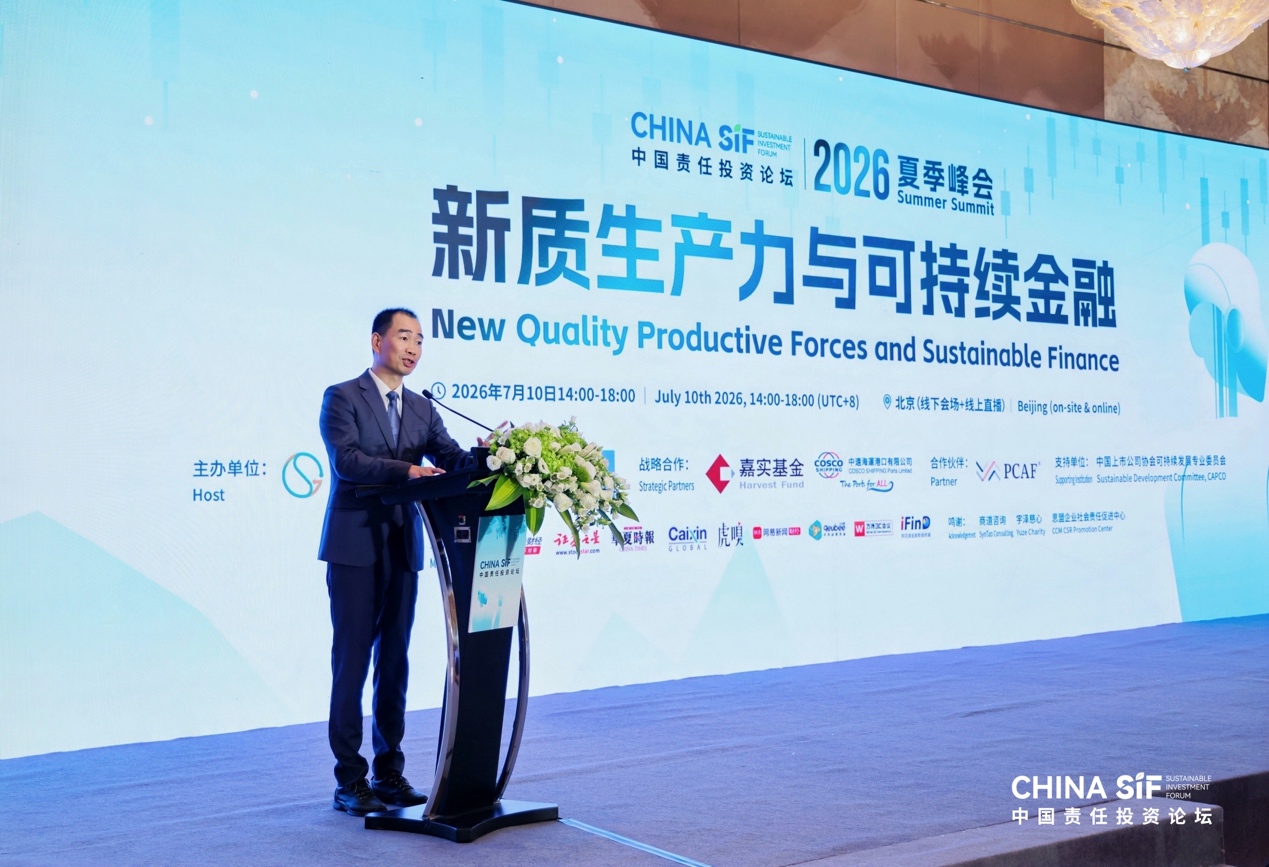
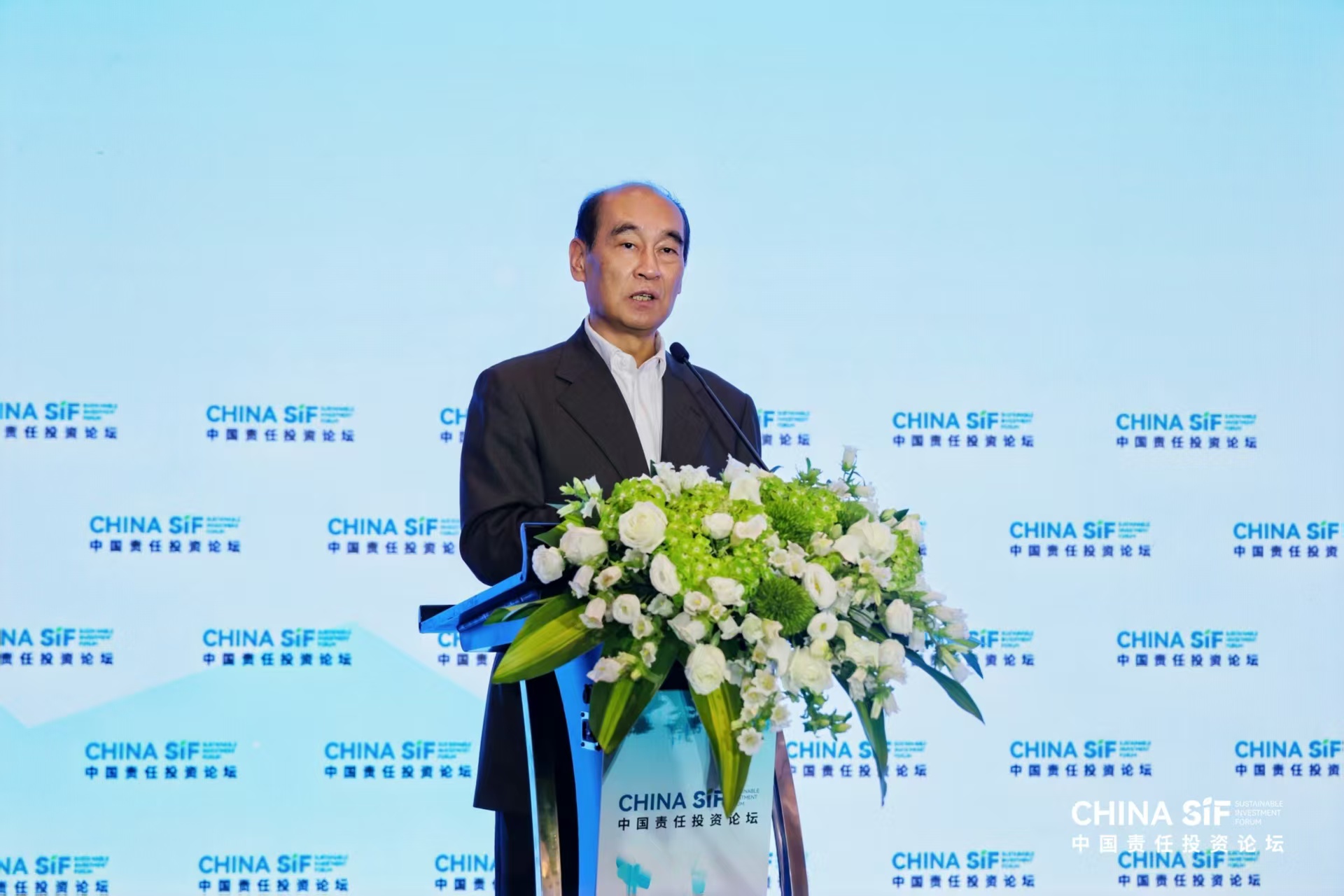
WANG Zhongmin’s remarks were titled “The End of AI is ESG.” He argued that AI and ESG must achieve “alignment” at three levels. First, computing infrastructure should follow ESG principles by reducing energy consumption and minimizing the use of water and mineral resources to ensure sustainable development. Second, AI companies must shoulder social responsibility by providing adequate incentives to employees and promoting a “Universal Basic Income” mechanism to compensate members of society, ensuring that all participants receive fair returns or compensation in the AI era. Third, AI development must protect personal data privacy and security, clearly defining private data rights and preventing unauthorized use. WANG Zhongmin emphasized that ESG must serve as a guardian for AI to ensure that technological progress serves the long-term interests of society as a whole.
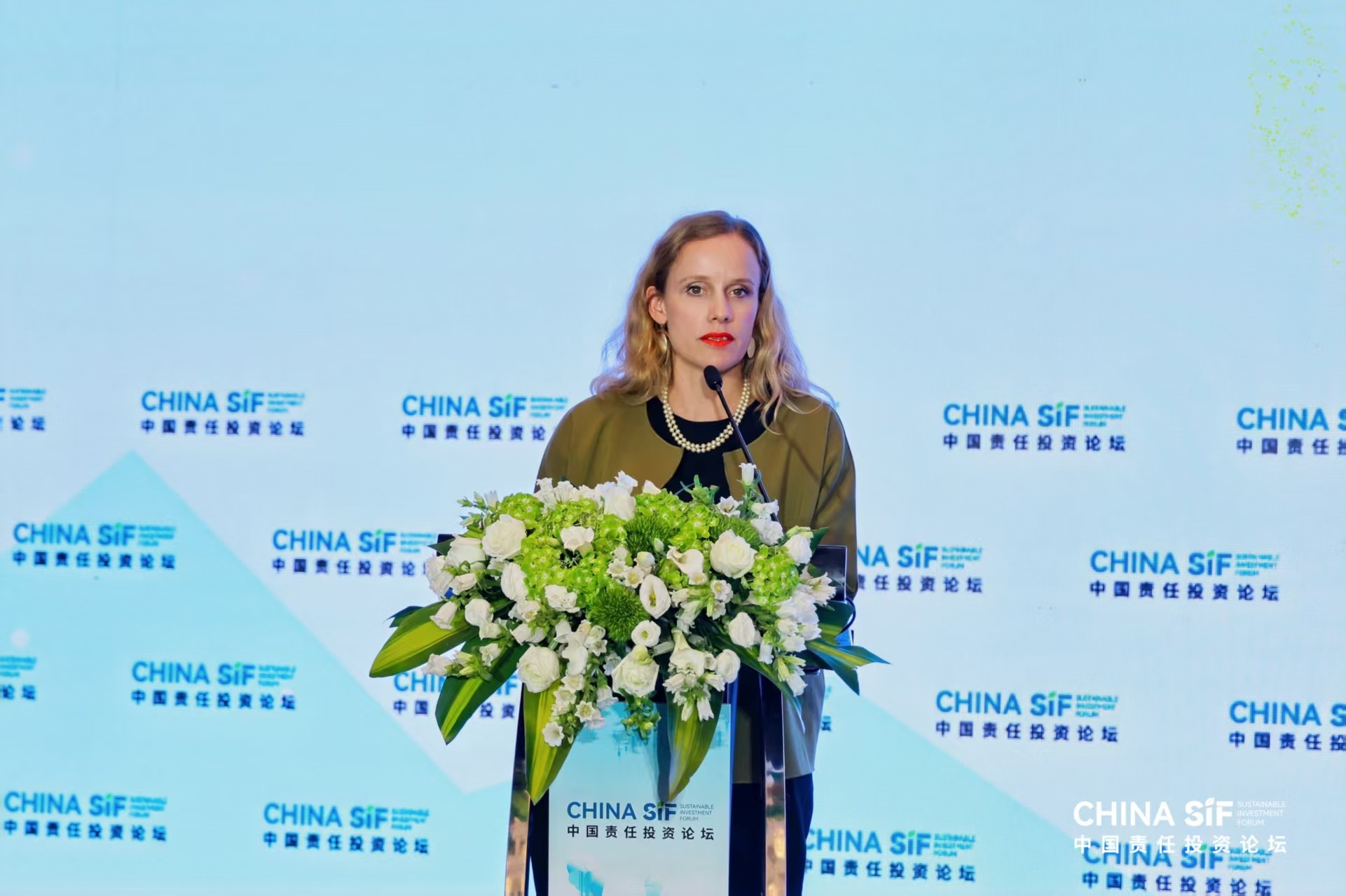
Dr. Johanna Dichtl, Implementation Guidance Lead at UNEP FI, stated that in the face of trillions of dollars in climate and nature financing gaps, the financial sector stands at a historic inflection point—from risk to opportunity. For over three decades, UNEP FI has bridged the United Nations and the global financial system, with its Principles for Responsible Banking and Principles for Sustainable Insurance aligning with the Paris Agreement goals. Within this global movement, China is a clear pacesetter—hosting the largest national group of Principles for Responsible Banking signatories worldwide, with 30 banks representing over US$28 trillion in assets, and holding seats across every UNEP FI governance body. Chinese institutions have pioneered progress in transition finance, biodiversity finance, and digital disclosure. Evidence shows that PRB signatories enjoy a clear edge in ESG ratings and cost of capital—responsible banking is no longer a cost centre, but a competitive advantage. UNEP FI is now rolling out localised tools and capacity-building platforms to help Chinese financial institutions move from pilots to scale, and from disclosure to decision-making. Asia-Pacific has the ambition, the capital, and the capability. Together, let us turn trillion-dollar gaps into trillion-dollar opportunities.
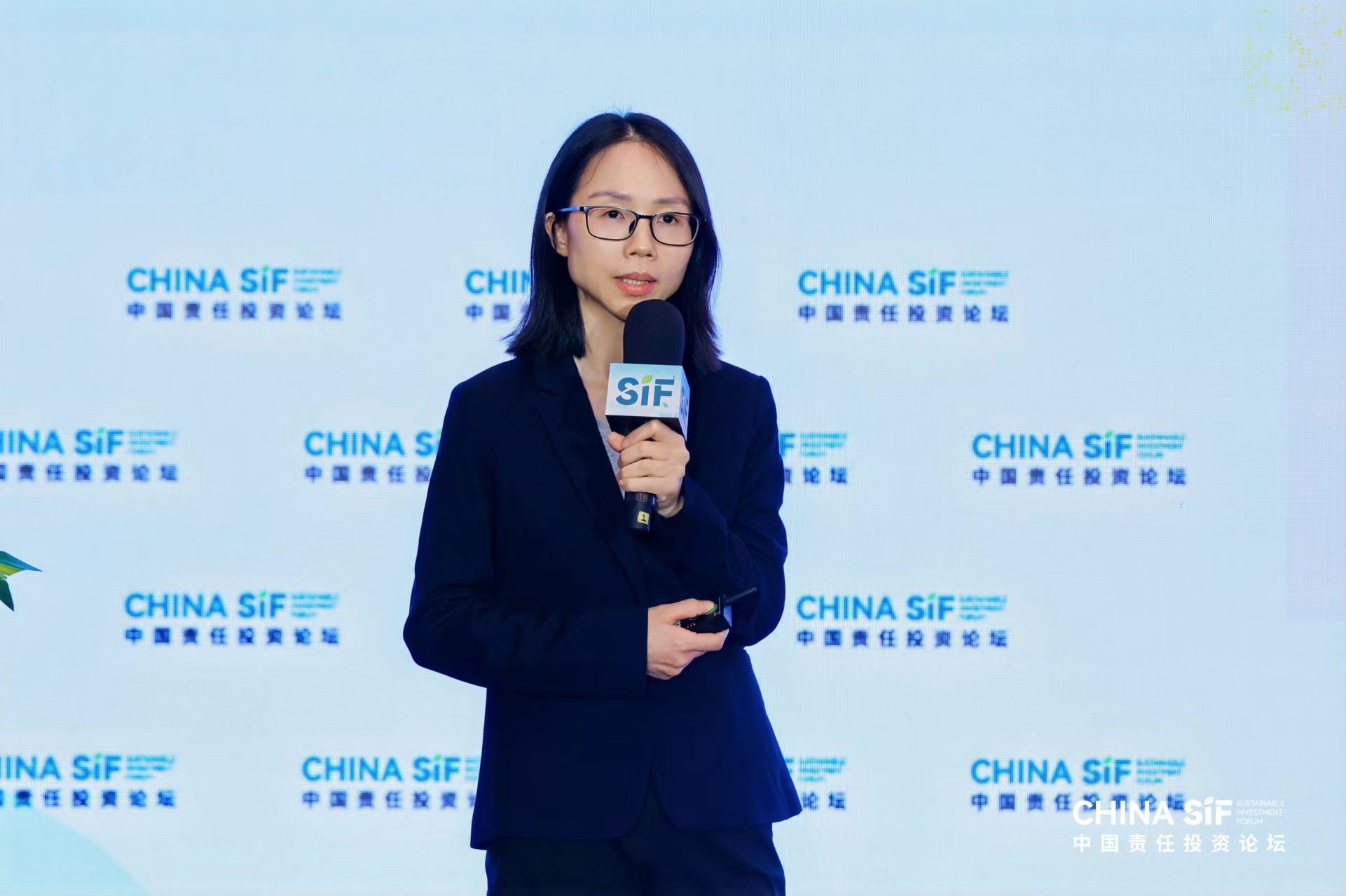
The summit featured two rounds of keynote speeches and two panel discussions. The first round of keynote speeches focused on current hot topics for listed companies. Dr. LIU Yanfeng, Director, Corporate Governance, China Association for Public Companies (CAPCO)delivered a thematic briefing on Climate Information Disclosure and Practices of Listed Companies. In her speech, she outlined emerging highlights of sustainability reporting among listed companies, the current landscape of climate-related disclosure, and leading environmental implementation cases. She also offered targeted recommendations to address key challenges listed companies encounter in relevant work.
Overall, A-share listed enterprises have attained higher standardization in the compilation and disclosure of sustainability reports in 2026. Relevant sustainability initiatives have moved beyond fundamental information disclosure to incorporate corporate governance, long-term corporate strategy and risk management systems. Meanwhile, their proficiency in quantitative climate reporting and target governance has been further enhanced, with particularly remarkable advances observed across climate-related disclosure practices.
Venus ZHAO, General Manager and Head of Investor Relations Department of COSCO SHIPPING Ports Limited, and Fan Li, Sustainability Manager, presented on the theme “Green Pilotage, Digital Empowerment: Building Resilient and Sustainable Ports.” They shared the company’s ESG practices and achievements in 2025, including advancing smart and green port construction with a clear roadmap targeting carbon neutrality by 2050, completing financial quantitative analysis of climate risks and opportunities, and launching nature-related assessments, deeply integrating ESG into the corporate governance system. The company is committed to driving new quality productive forces in ports through digitized, green, and low-carbon transformation, supporting the upgrading of the global shipping industry chain. The practices of COSCO SHIPPING Ports highlight that ESG is not only about fulfilling social responsibility but also a core strategy for enhancing operational efficiency, reducing risks, and strengthening long-term resilience, providing investors with solid data support and forward-looking perspectives for assessing sustainable corporate growth and long-term value.
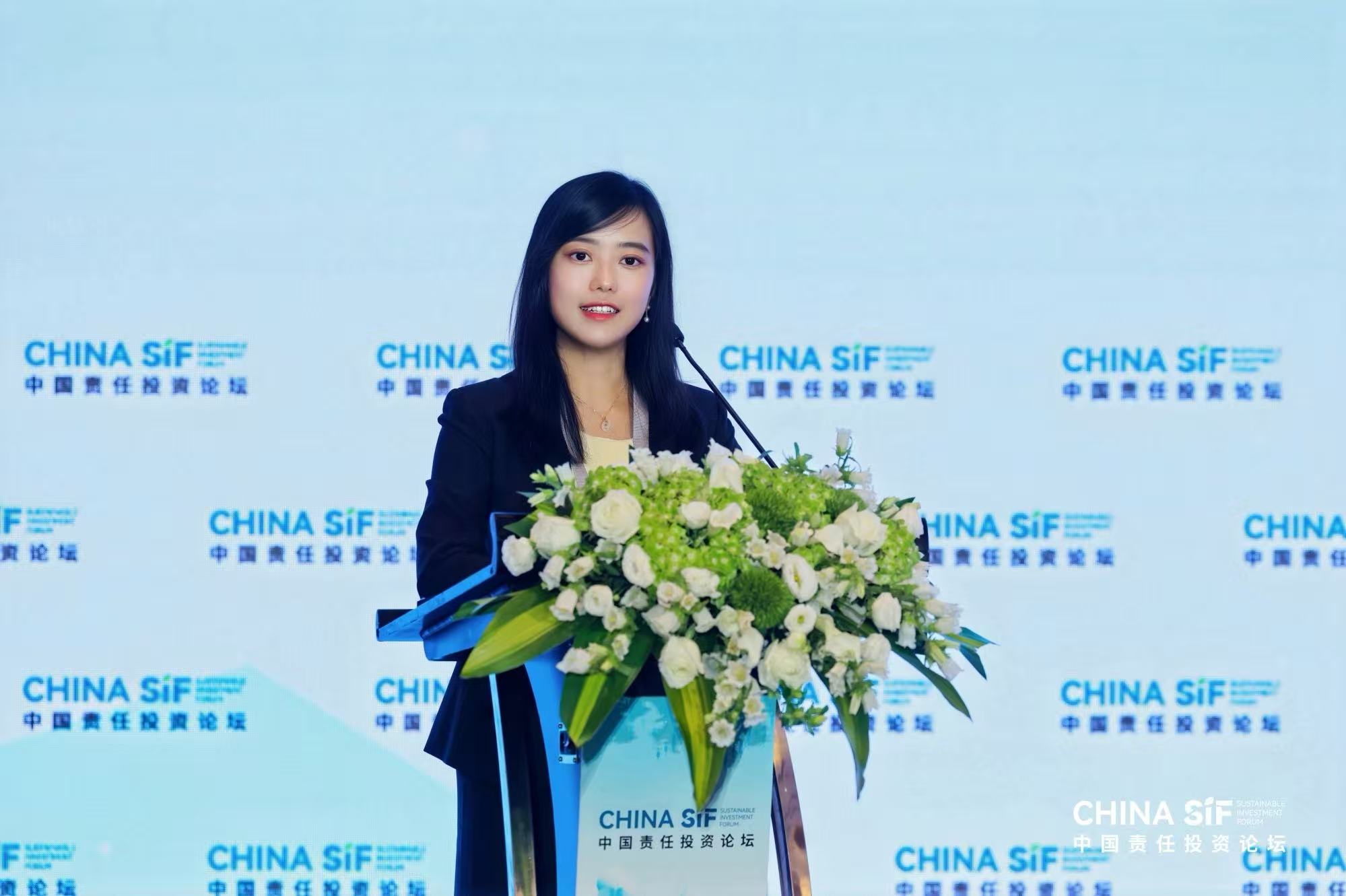
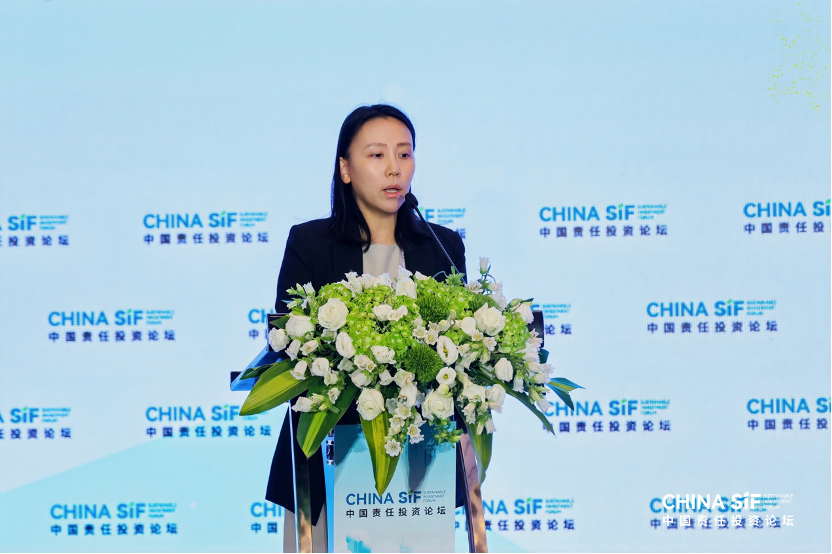
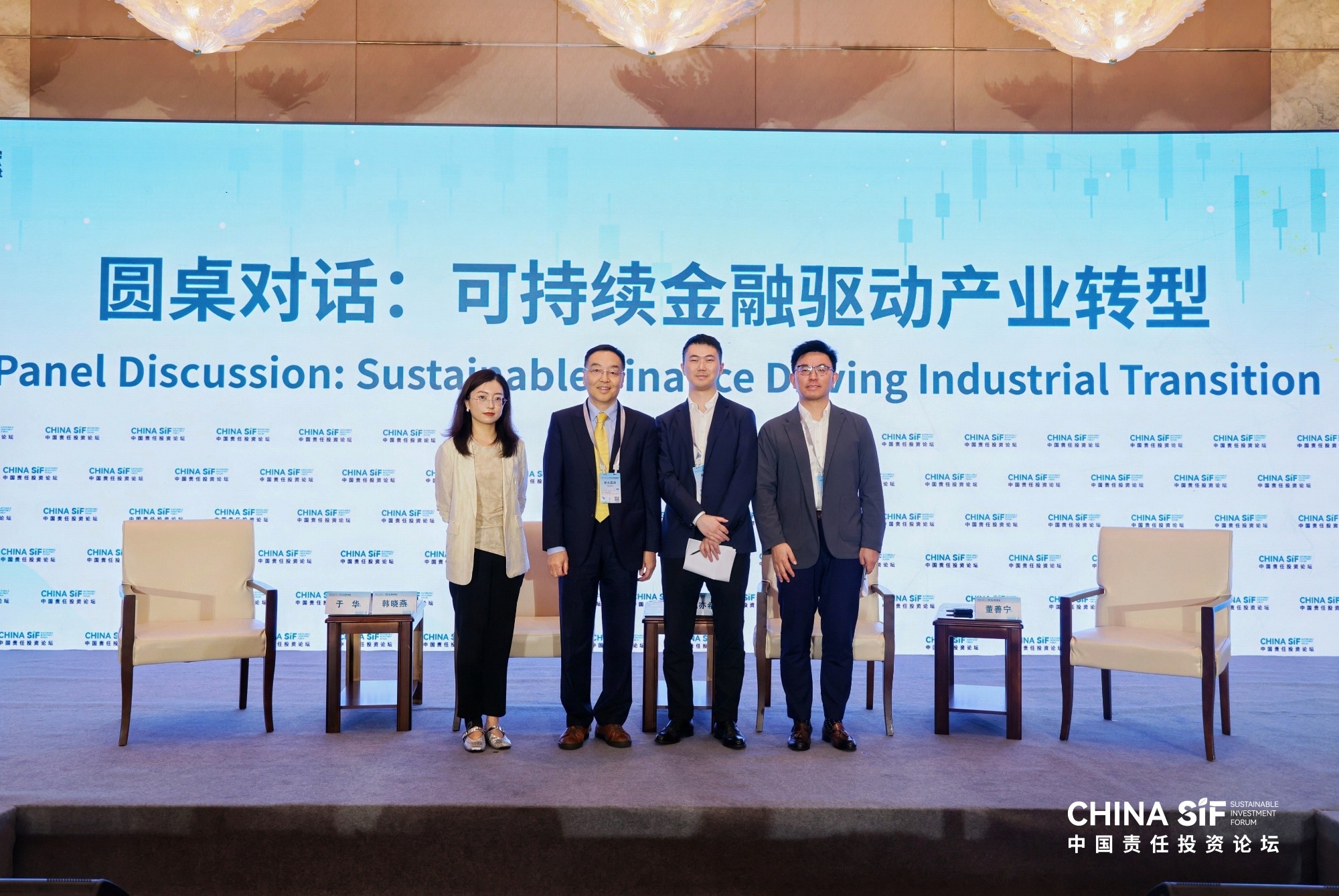
The first panel discussion was moderated by Dr. YU Hua, Member of China SIF Board of Directors, focusing on the theme “Sustainable Finance Driving Industrial Transition.” Katherine HAN, Head of ESG Research & Investment,Harvest Fund Management; Wilson WEI, Chief Analyst of ESG, E Fund Management; and Dr. DONG Shanning, Deputy General Manager, Green Finance Department & Corporate Finance Department at the Bank of Jiangsu participated in the discussion. Katherine HAN stated: “To advance the low-carbon transition and channel capital into technologies and businesses conducive to green and low-carbon transition, we have established a company-wide three-pillar climate investment framework based on global and local climate investment policies and frameworks. The first pillar is to fully integrate climate considerations throughout the investment process. To this end, we have developed a localized climate transition assessment framework that provides data and research backing for screening, portfolio construction and the deployment of low-carbon thematic products. Second, we are building a diversified climate investment and financing product portfolio. We will continuously put forward mutual funds, REITs and other vehicles to provide financing for green and low-carbon projects and companies. The third pillar is to deepen climate stewardship activities. We put climate issues at the core for our stewardship program, systematically conduct climate-related engagements with investee companies on low-carbon transition, and actively participate in climate related policy engagement. Building on a systematic approach, we leverage our professional expertise to drive the green and low-carbon transformation of the real economy.” Wilson WEI emphasized that sustainable finance is not only about identifying risks but also about discovering transition opportunities. By systematically integrating climate risks, ESG factors, and long-term value creation into investment decisions and stewardship, resources can be more effectively directed toward outstanding enterprises driving the green and low-carbon transformation of industries. Dr. DONG Shanning stressed that prudence was called for integrating ESG rating into credit rating. A good alignment has been observed for tail-risks with promising level of differentiation. The degree of correlation between ESG and Credit was distinct across sectors. ESG rating, nevertheless, is key for banks to undertaking forward-looking analysis of credit-worthiness over the long-term.
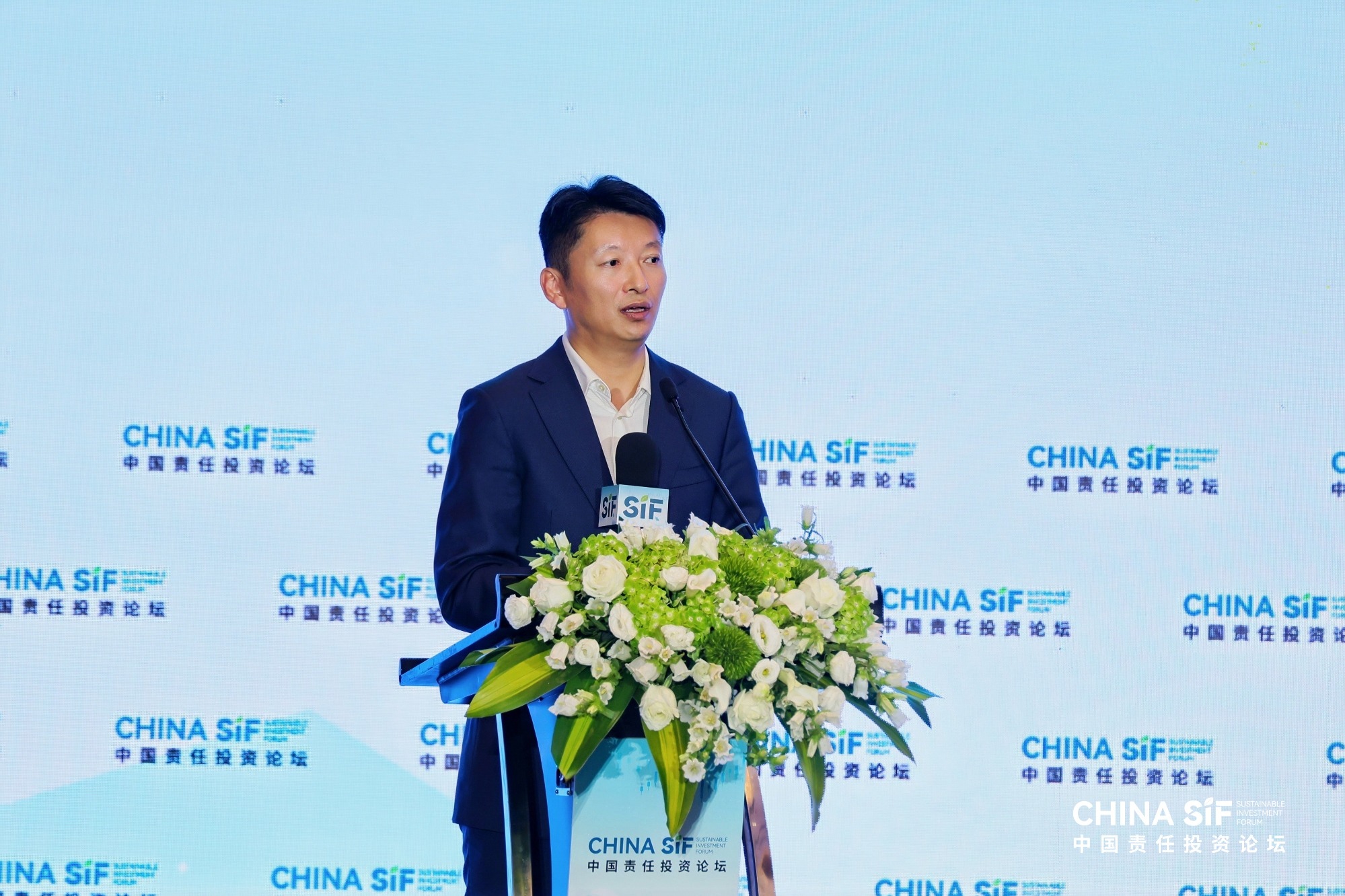
In the following release session, Jonathan QIAN, Secretary General of China SIF; Vice President of SynTao Green Finance released the report Steady and Far: China Corporate ESG Leaders Report 2026. He stated "This is the second consecutive year that SynTao Green Finance has conducted the 'China Corporate ESG Leaders' selection. Through comparable ESG rating results, we identify leading enterprises, showcase the progress of sustainable development practices, and provide professional ESG perspectives for the capital market and all sectors of society. This year, we have further expanded the evaluation scope by including Hong Kong-listed companies for the first time, together with A-share listed companies, to form the evaluation sample."
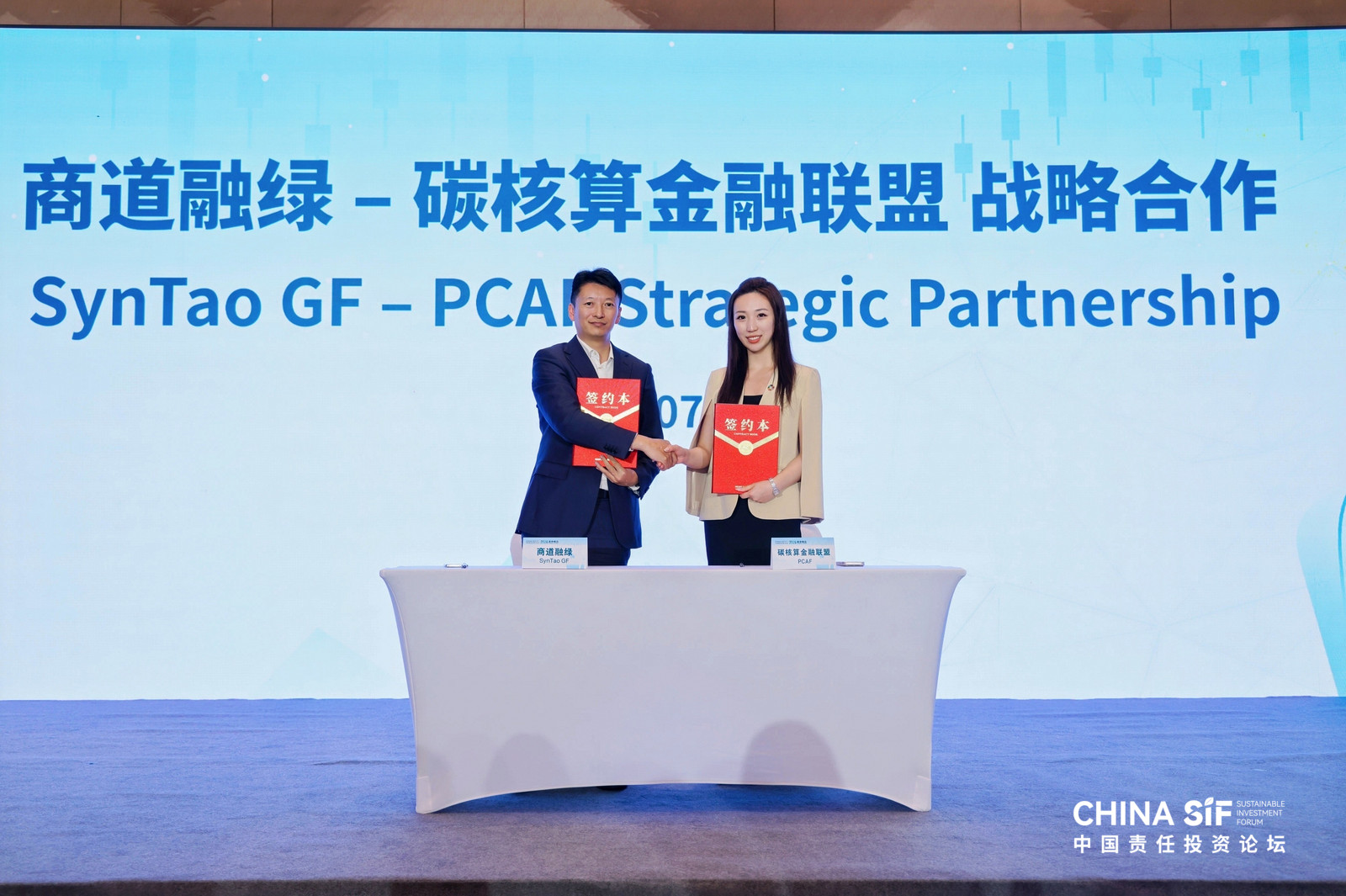
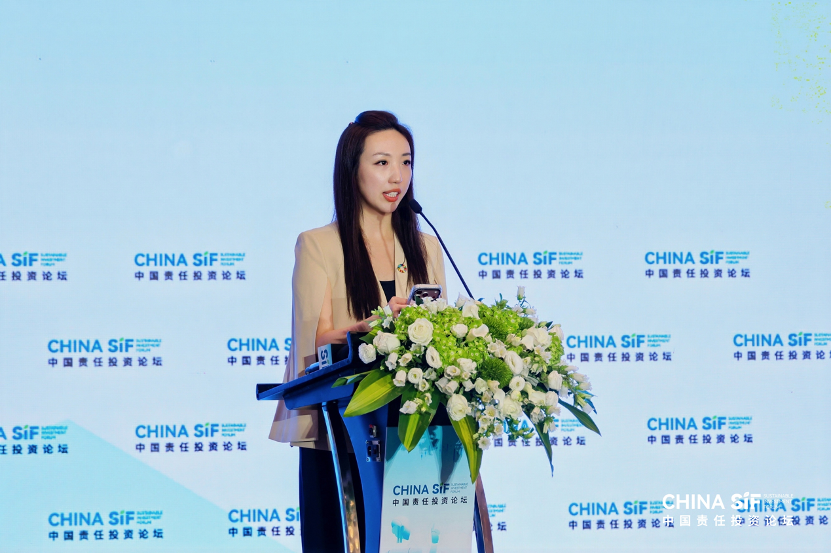
Thea WEI, Head of Asia-Pacific and Greater China, Partnership for Carbon Accounting Financials (PCAF) signed a strategic partnership on behalf of PCAF and SynTao Green Finance. Thea WEI officially announced the launch of the PCAF China Pilot Programme in collaboration with UNEP FI and SynTao Green Finance. The programme combines PCAF’s accounting methodologies, UNEP FI’s international network, and SynTao Green Finance’s local practical experience, with pilot outcomes to be compiled into case study reports.
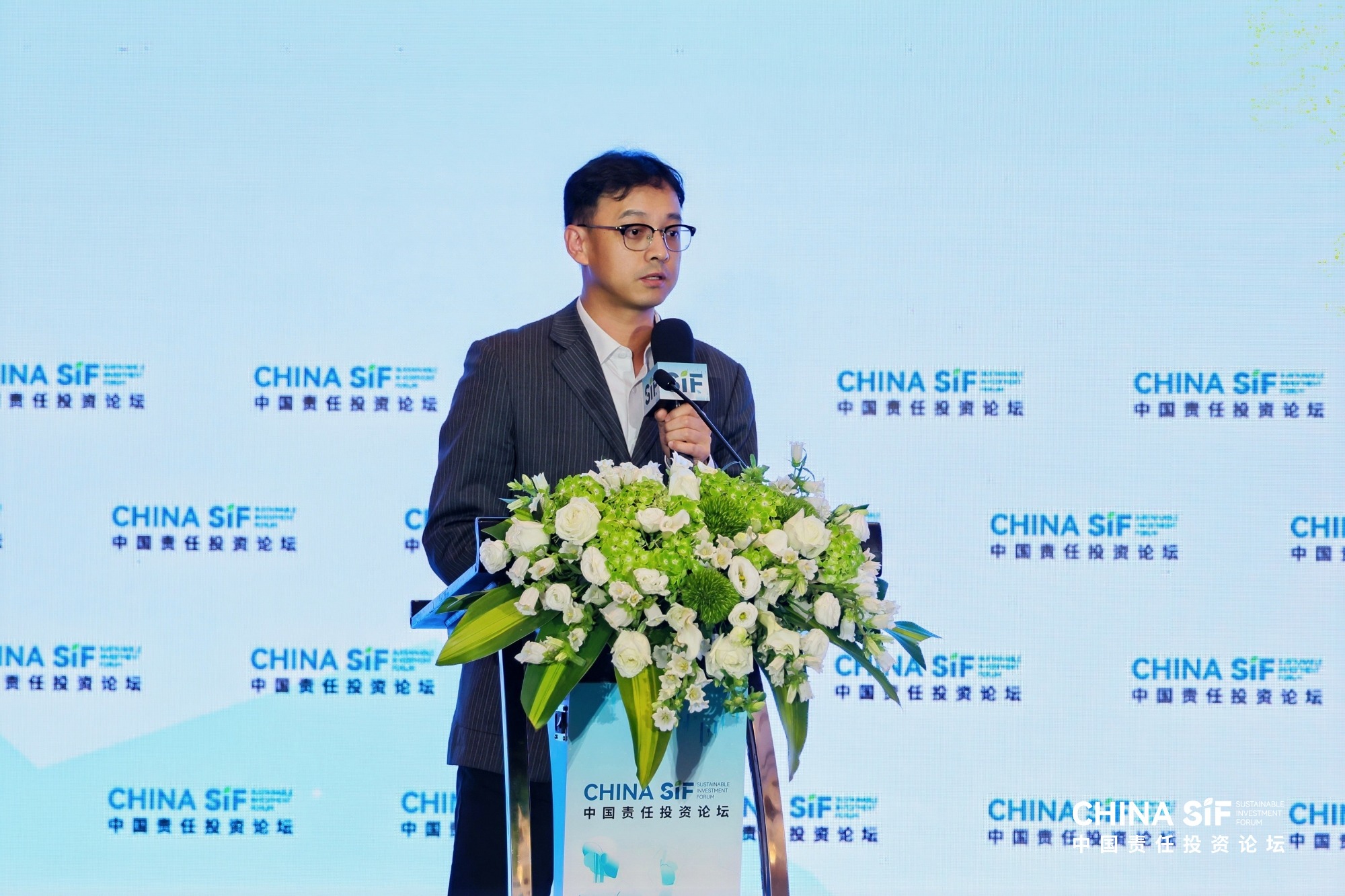
ZHU Kaijun, Head of ESG at GCL Energy Technology released the GCL Energy Technology White Paper on Climate Action 2025. He mentioned that the report not only adopts professional climate risk quantification models to conduct quantitative analysis of climate scenarios for power plant assets, but more importantly, it has preliminarily established the company's climate goals, integrated climate change response with the company's business strategy, promoted the deep integration of artificial intelligence and energy, and empowered users to reduce carbon emissions.
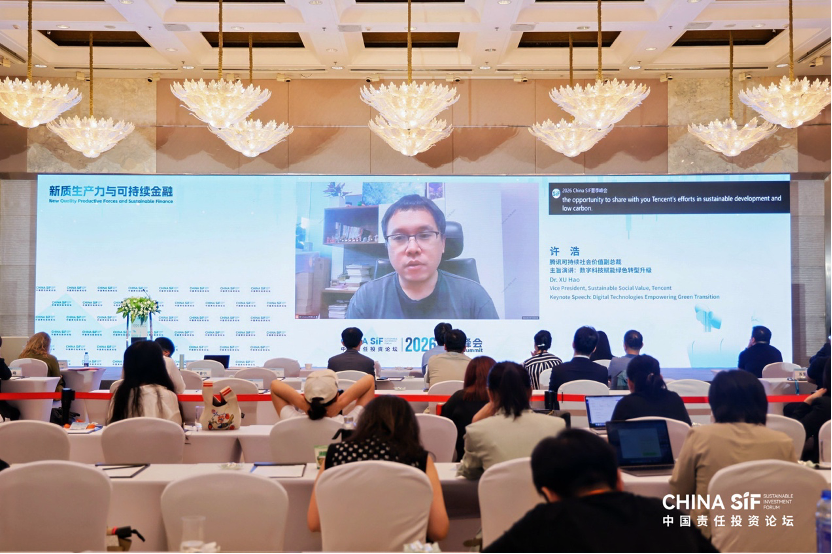
The second round of keynote speeches focused on the theme “AI Technology Drive and Green Empowerment.” Dr. XU Hao, Vice President, Sustainable Social Value, Tencent delivered a keynote speech on “Empowering Green Transformation and Upgrading with Digital Technology.” Dr. XU Hao stated that Tencent implements a “dual-track” carbon neutrality strategy. Internally, the company improves data center energy efficiency, adopts green electricity, and explores data center power load flexibility, reducing its own carbon emissions while supporting the grid’s low-carbon transition. Externally, through the “Carbon X Plan,” Tencent uses philanthropic grants to support early-stage low-carbon technologies in bridging the critical gap between laboratory and industry. The plan collaborates with expert committees, industry, and investment partners, with a screening process that simultaneously evaluates technical, commercial, and engineering feasibility. The second phase selected 16 winning teams from over 600 global projects, announced during London Climate Action Week. Tencent aims to accelerate low-carbon technology innovation and work with all sectors to create a sustainable future.
WU Xuejun, Deputy General Manager, Suzhou Sungent Urban Development Co., Ltd. shared the practical experience of the Suzhou Industrial Park in sustainable finance. He highlighted key challenges in the field, including various standards, information gaps, and a lack of detailed guidelines for transition finance, and he also emphasized that digital platforms are crucial to overcome these obstacles. The Suzhou Industrial Park has introduced a series of ESG policies, established China's first ESG digital platform, and collaborated with third-party institutions to implement the Sustainability-Linked Loans (SLL) model. By leveraging integrated services—including self-diagnose platform, supply-demand matching, and third-party assurance—this approach not only reduces financing costs for corporates but also helps the region build a comprehensive ESG service ecosystem.
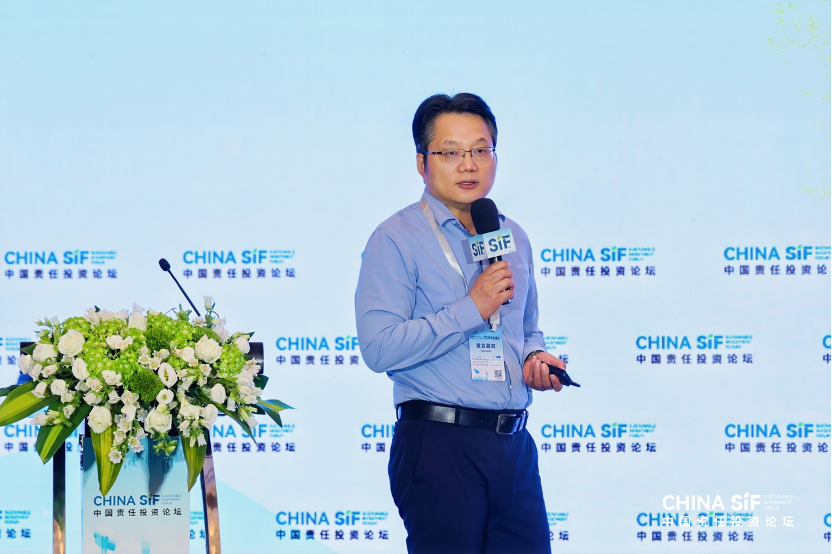
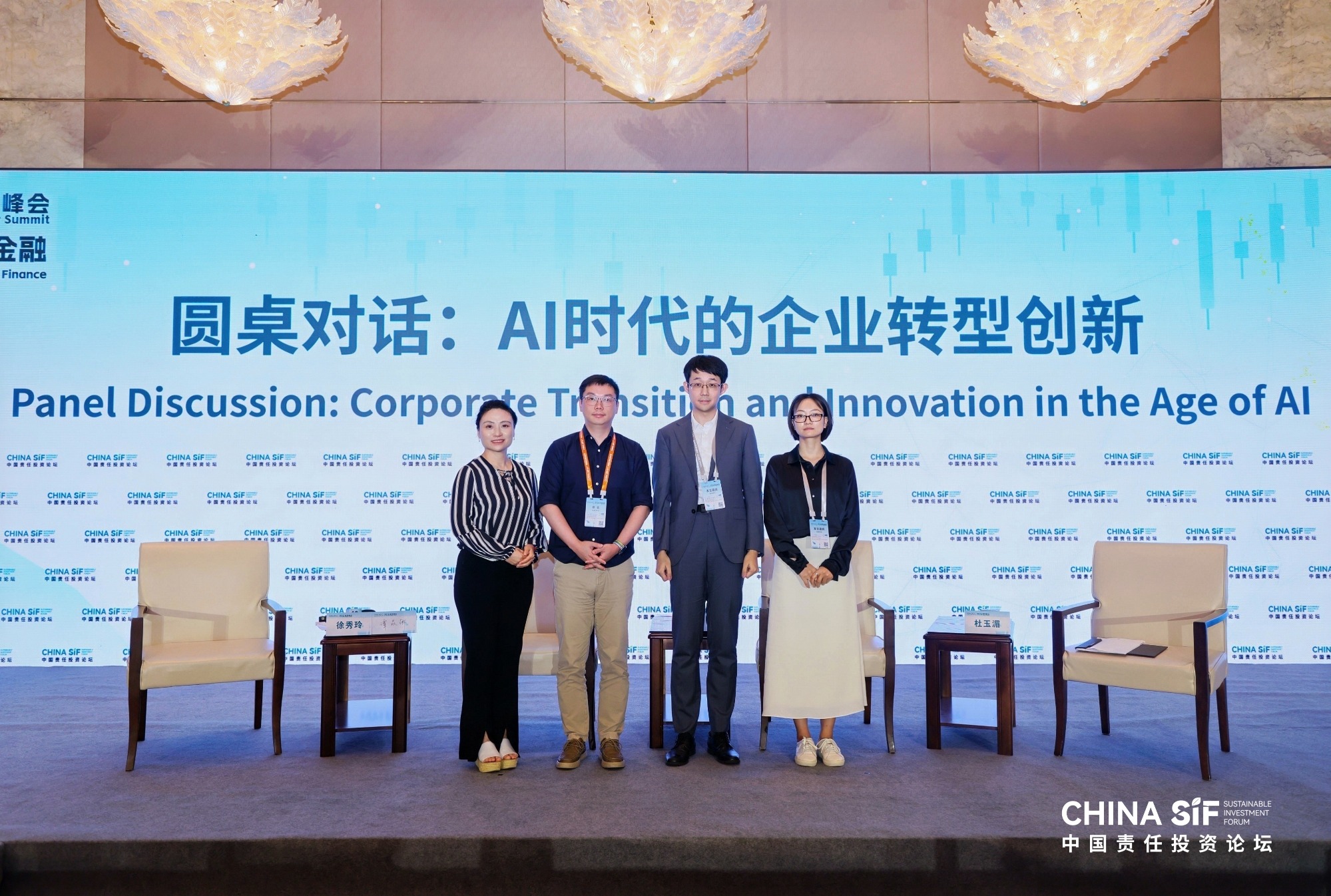
The second panel discussion was moderated by Selina XU, Member of China SIF Board of Directors, focusing on the theme “Corporate Transition and Innovation in the Age of AI.” Alex TAN, ESG Senior Manager, Sustainable Development Division of Lenovo China Solutions & Services Group (SSG); Secretary General, ESG Committee of Lenovo China Site; WANG Kai, Chief Analyst of Asset Allocation, Everbright Securities Research Institute; and DU Yumei, ESG Senior Manager at CMOC Group Limited participated in the discussion. Alex TAN shared his views on the theme of “Corporate Transition and Innovation in the Age of AI.” He noted: AI is driving corporate ESG management from “static disclosure” toward “dynamic optimization and intelligent decision-making.” At the same time, companies need to guard against the rebound in carbon emissions resulting from expanding computing power. By advancing both a green computing infrastructure and responsible AI governance, enterprises can achieve technological innovation and sustainable development in tandem. The key to overcoming the challenge of “high enthusiasm but limited implementation” in AI+ESG lies in moving beyond conceptual discussions and building a robust end-to-end ESG data foundation based on real business needs. Through scenario-based applications and measurable value creation, companies can truly translate technological potential into practical momentum for green transformation. WANG Kai argued that AI itself is energy-intensive, but it is also a key enabler of energy conservation and carbon reduction. This contradiction is not a zero-sum game but a driving force that, under constraints, pushes technology pathways and energy systems toward higher-level synergy. Several types of companies are particularly noteworthy in AI-empowered green transformation: companies in the “green computing power” industry chain, companies focused on “computing-power coordination,” companies using AI to enable energy conservation and emission reduction in traditional industries, and companies whose ESG management is itself empowered by AI. From a risk management perspective, investors should establish an AI-ESG risk identification framework focused on risk-side identification and pricing, paying attention to energy consumption and carbon constraint risks, data compliance risks, governance capability risks, and the risk of “hot technology, hard implementation.” In the AI era, ESG performance and digital capabilities are becoming the underlying operating system of long-term corporate investment value. A company’s ESG management level and digital capabilities essentially reflect its governance quality, risk management ability, and future adaptability. Abundant academic research shows a positive correlation between corporate digital transformation and ESG performance. From capital market practice, companies with excellent ESG performance and leading digital capabilities typically have lower financing costs, higher operational efficiency, and stronger risk resilience, all of which ultimately manifest in long-term valuation premiums. DU Yumei shared her views on the digital transformation and ESG management practices of resource-based enterprises. She noted that the future competitiveness of mining companies will come not only from resource reserves, but also from the capabilities in safety, efficiency, and sustainable development enabled by digitalization and AI.
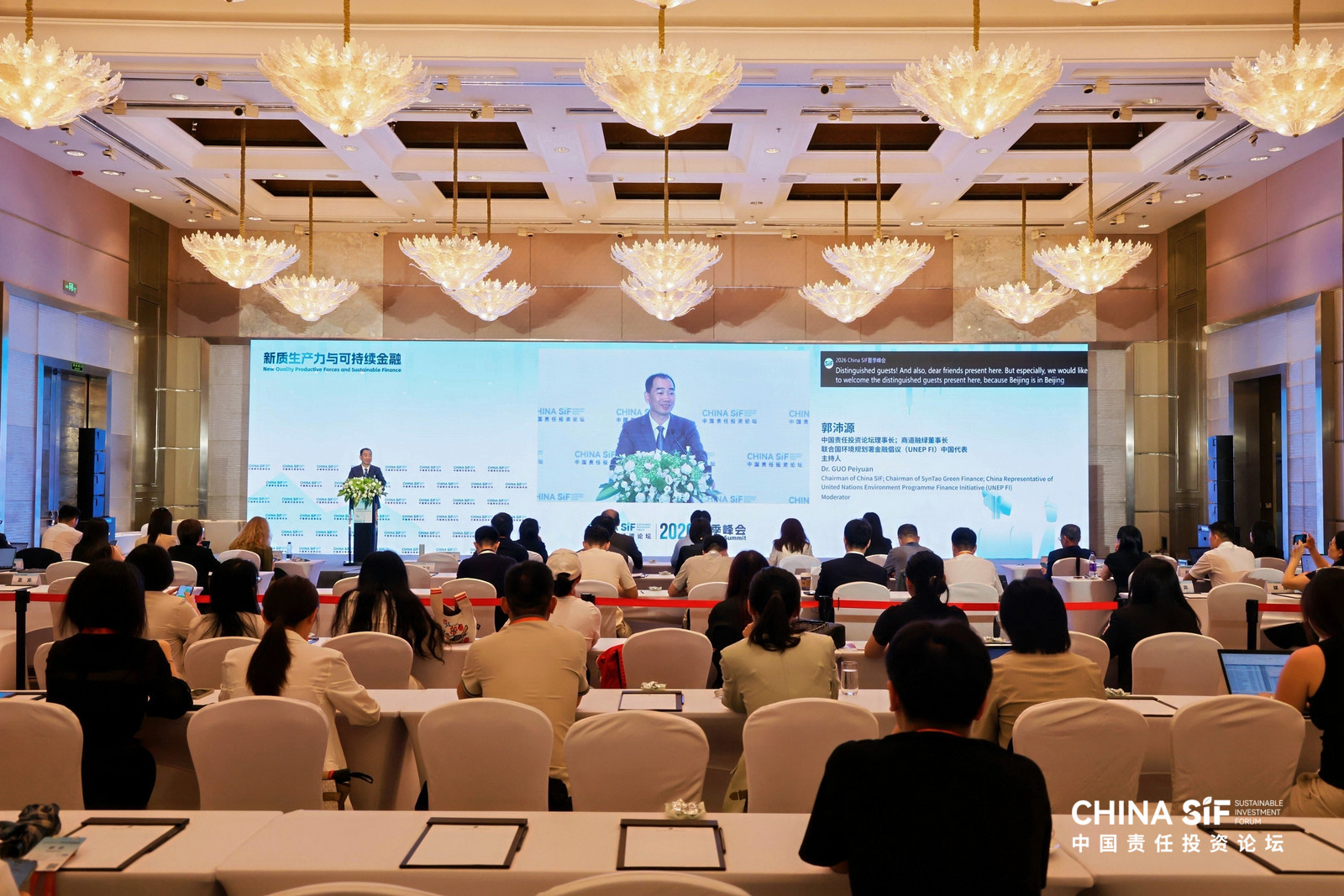
Finally, Dr. GUO Peiyuan summarized the Summer Summit. He noted that the summit discussions revealed that the value of ESG principles in investment practice is objective and real, with the key lying in how to apply it more effectively to specific investment decision scenarios. Meanwhile, the convergence of new quality productive forces and sustainable finance is accelerating, and digital intelligence is becoming a new engine for responsible investment. China SIF will continue to deepen its work in this area, exploring the deep integration of emerging fields such as AI and robotics with sustainable finance. Dr. GUO Peiyuan revealed that the 14th China SIF Annual Conference is planned to be held in Beijing on December 1, 2026.
The summit received strong media support from Sina Finance, Stockstar, China Times, Caixin Global, Huxiu, NetEase Finance, qeubee LIVE, Wind 3C Conference, and iFinD. Special thanks to SynTao Consulting, Yuze Charity, and CCM CSR Promotion Centre for their contributions to the successful holding of the summit.
Please follow the China SIF WeChat Official Account (China SIF) and the host organization SynTao Green Finance’s WeChat Official Account (syntaogf).
For partnership inquiries and materials regarding China SIF, please contact the organizer at: contact@chinasif.org